Business Name: TREE TRIMMING SAN ANTONIO
Address: 4511 Horizon Hill Blvd, San Antonio, TX 78229
Phone: (726) 227-4061
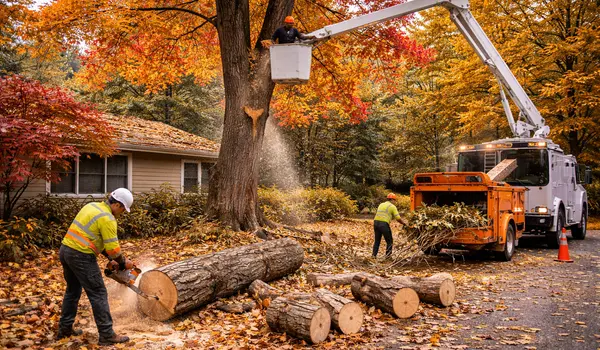
Many owners assume Tree Transplanting is the practical fix for any tree that looks unhealthy or sits too close to a patio. That is understandable: moving it seems less wasteful than removal. But Tree Trimming San Antonio often finds dead limbs, a leaning trunk, or storm breakage above ground paired with root damage below, and a move can add stress rather than solve it. A root-ball inspection and canopy check show whether relocation is sensible. Learn more about our San Antonio tree trimming.
The real question is not simply whether a tree can be moved, but whether it has enough healthy feeder roots and trunk strength to establish again. Fungus at the base, cracked bark, or severe root damage can indicate decay that a new location will not cure. A smaller, healthy tree with an intact root ball usually handles transplanting better than a mature tree already struggling with structural defects.
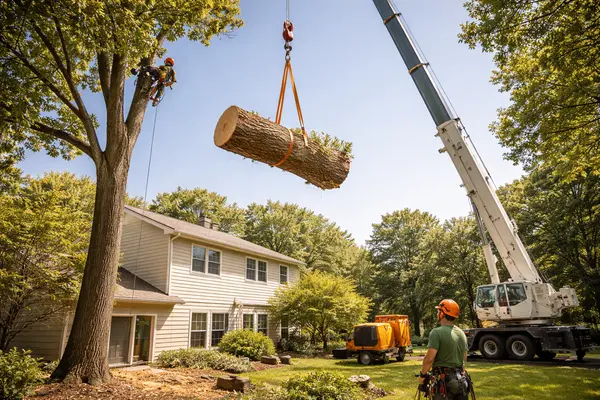
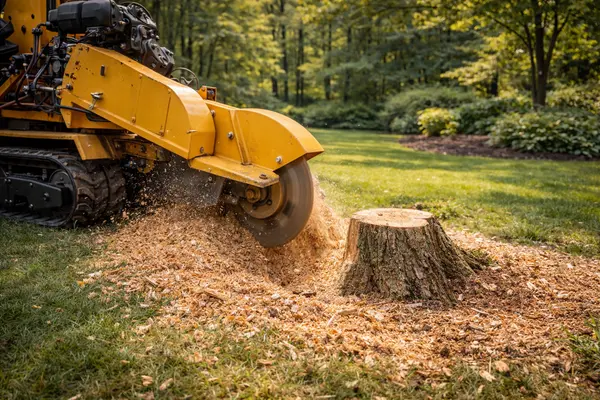
Before hiring a San Antonio, TX contractor, ask how they will determine root-ball size, protect nearby irrigation lines, and access the tree without damaging a driveway or fence. A written estimate should identify the tree, destination site, digging method, equipment, debris handling, staking, mulch, and initial watering plan. It should also explain what happens if the crew finds compacted soil, buried utility lines, or roots extending beneath concrete. Learn more about our expert Tree Fertilization services.
A capable contractor explains the limits before work starts, including whether the species tolerates relocation, how season and heat affect transplant shock, and how much canopy pruning is appropriate. Ask how Tree Fertilization fits into the recovery plan; adding fertilizer to stressed roots at the wrong time can create more strain. You should also hear how the crew will keep the root ball moist, set the correct planting depth, and monitor settlement.
Gather photos showing the tree through different seasons, along with notes about recent leaf drop, storm breakage, drainage puddles, and previous pruning. Mark sprinkler heads, low-voltage lighting, septic components, and any irrigation valve boxes near the digging area. Clear patio furniture, vehicles, toys, potted plants, and loose gravel from the equipment path. If a gate is narrow, measure the opening and tell the contractor before the visit. Learn more about our expert Tree Disease Treatment services.
Avoid digging around the trunk, cutting exposed roots, or heavily watering the soil the morning of the appointment unless you are instructed otherwise. Saturated clay can become heavy, slippery, and difficult to keep around the root ball. Do not apply Tree Disease Treatment, fertilizer spikes, or fresh herbicide immediately before an evaluation, because those products can mask symptoms or irritate already stressed roots. Keep pets indoors while crews assess access and work zones.

Some leaf wilt, minor leaf drop, and slowed growth are normal during the first several days or weeks after Tree Transplanting, especially during San Antonio heat. The root ball needs time to grow new feeder roots into surrounding soil. Check moisture several inches below the mulch rather than relying on the dry surface. The soil should stay evenly damp, not muddy, and mulch should remain a few inches away from the trunk bark.
Contact the crew if you notice new dead limbs, a worsening leaning trunk, exposed roots, storm breakage around a stake, fungus at the base, or cracked bark that spreads after the move. These signs can point to root damage, poor planting depth, or an unstable support system. Routine watering, mulch checks, and gentle inspection after high winds help the result hold. Remove or adjust ties if they begin rubbing the trunk as it grows.
TREE TRIMMING SAN ANTONIO
4511 Horizon Hill Blvd, San Antonio, TX 78229
(726) 227-4061
info@treetrimmingsanantonio.net
Hours of Operation
Open 24 Hours